Vi använder cookies för att ge dig bästa möjliga upplevelse. Välj vilka cookies du tillåter.
Läs mer i vår integritetspolicy
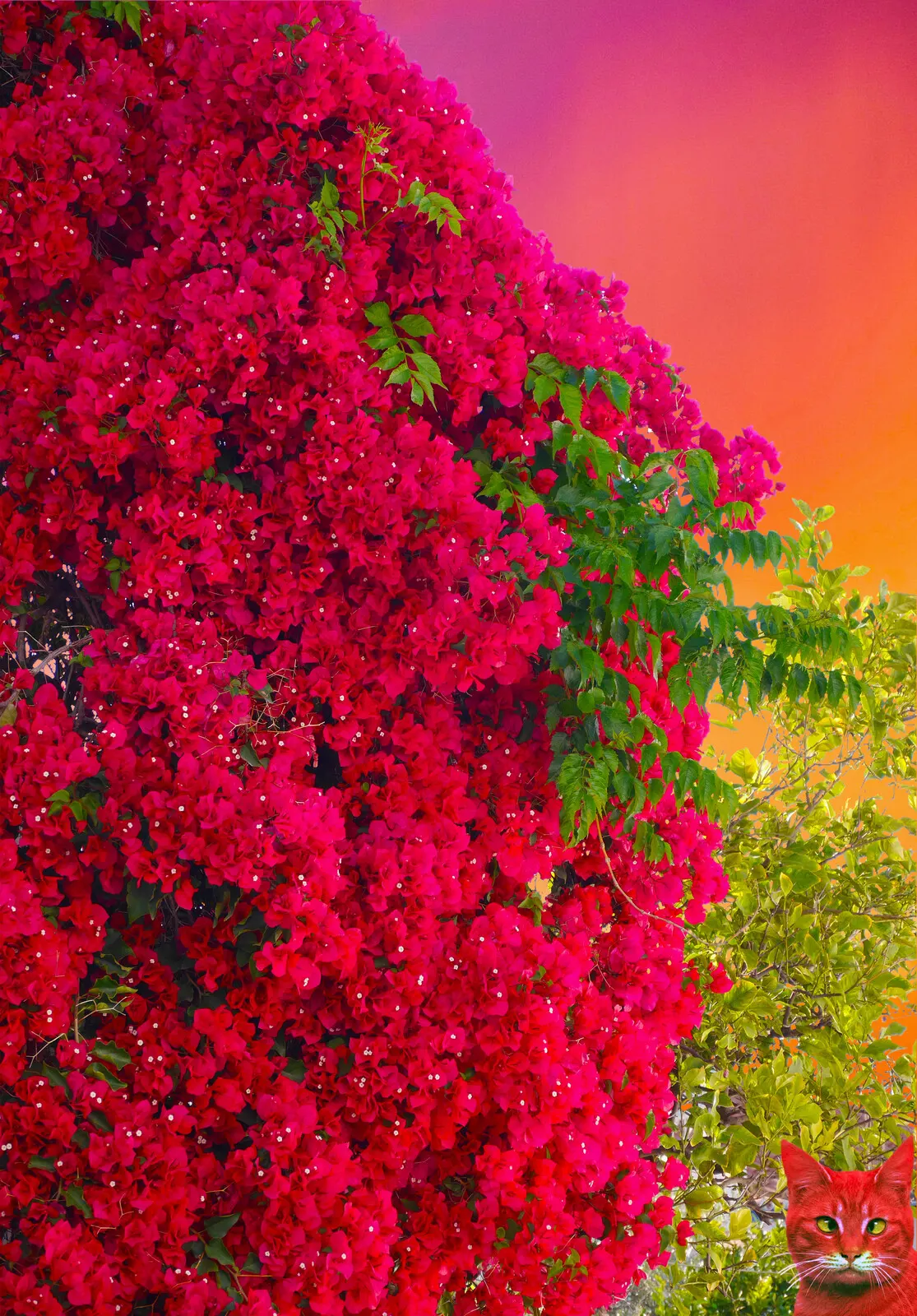
Jörgen Thornberg
Cross-eyed Knut, 2018
Digital
50 x 70 cm
How could one name a cat Knut? The blame lay with a Swedish family who adopted her, for she was indeed a she despite the name. The reason was that she was cross-eyed, and Knut, one of the children's classmates, had been cross-eyed as a child and was called Ballögde Knut (Cross-Eyed Knut). He was later treated for his condition and looked completely normal now. Despite this, he retained his nickname.
Knut itself is OK and a man's name with Old Norse roots. It is related to the modern word' knot,' implying one who ties bonds between people. The name has appeared as a royal name in Sweden and Denmark, so why not for a cat? The name is derived from the Old Norse Knútr, meaning 'knot', and the anglicised form is 'Canute,' but the word 'knot' means the same. King Canute the Great, also known as Cnut, was a significant historical figure, ruling over England from 1016 to 1035. He was a wise and just ruler known for his ability to command the tides. Many historians call him 'the most effective king in Anglo-Saxon history.' Knut loved hearing the story about him.
Knut, or Alicia as she preferred to be called, had been cross-eyed since birth. Cats neither undergo surgery nor wear glasses, so her cross-eyed condition remained. Despite this, Knut was terrible at catching mice and often ran into walls due to her vision problem. However, she looked adorable and had the deepest red colour of all the Tabbies on Hydra, so she got as much food as she wanted. When the Swedish family wasn't in their house in Kiafa, the neighbour ensured she was fed. She was left alone by other cats because of her vision problem. Instead of precisely scratching an attacker, she developed a technique with sweeping swipes using outspread claws. Typically, cats don't fight this way, but her method was so effective that she was left alone.
On a typical evening, Knut would blend into her surroundings, hidden by her favourite bush, a bougainvillaea as red as she was. The bright red sky mirrored the vibrant hue of her fur, making her almost invisible unless she chose to step out of her bush, as she did in the picture. It was a sight to behold, a testament to her unique beauty and ability to disappear into the world around her.
For Knut, the real treat was the whisky I had in a small flask. How she developed a taste for Johnnie Walker Black Label has various versions. While her Swedish owner was known as a whisky connoisseur, it's hard to believe he would share his favourite whisky with a cat. It's a bit too expensive for that. His wife's version is more believable. The man would carelessly leave his glass behind now and then while he fixed something else. He probably didn't notice the level in the glass had dropped when he returned. In any case, Knut developed a taste for the precious drops, and rumours about the cat's sensitive taste buds spread. Since a cat is not a dog, she drinks only what tastes good, not to get drunk. Hence the explanation for the term' drunk as a skunk.' You never hear 'drunk as a cat.' Sure, Knut got a bit happy and her fur shinier when we had toasted for a while. A small glass of whisky doesn't affect me, but the equivalent amount for a small cat makes the world spin even more for a cross-eyed cat.
Knut had a quirky side. She loved limericks, especially those about tabbies. This time, she had gotten a new one that she couldn't help but share, adding a touch of whimsy to her already endearing personality.
There once was a tabby named Maria from Maine,
Who meowed to the moonlight again and again,
With paws soft as silk,
She spilled all the milk,
And wished for some whisky at Hilton Park Lane.
After we emptied our glasses, Knut disappeared into her red bush. Otherwise, red cats are hard to miss. Also called ginger, orange, tabby, marmalade, tiger-cat and cinnamon yellow, butter, caramel, or butterscotch to fill the list. This distinctive feline can undoubtedly strike a charismatic pose and is always tabby in pattern. Red cats are not their own breed, and you can find them in many cat breeds and moggies - cats with no pedigree. From 9Lives Morris to Garfield to Puss in Boots, ginger cats are some of the most celebrated felines in television and film, so Knut was a proud cat and a deeply red one.
Furthermore, she was often invisible to her surroundings, hidden by her favourite bush, a bougainvillaea as red as she was. On an evening like this, with a bright red sky, there was no chance of spotting Knut unless she stepped out of her bush, as in the picture.
One might think the reason was that I had her favourite with me, a can of King Gustav Sardines in Tomato from the Royal court supplier of fine lightly smoked sprats from the Northeast. These Sprattus sprattus had travelled with me from Sweden. They couldn't be found in Greece. I opened the can at home and transferred the delicacies into a small plastic container so the enticing scent could reach her halfway down the road. She sat on her haunches, waiting when I rounded the corner from Vlychos Road. I have the impression that Knut's cross-eyed vision creates a double vision, making me appear twice as lovely and the fish last twice as long. We understand each other, Knut and I.
While many believe cats meow to communicate with their feline friends, Knut communicated differently with humans, especially with me. She purred, mainly after I served her favourite sardines, a sign of her contentment and affection. This unique bond we shared, where our communication went beyond the usual feline ways, was a testament to the depth of our connection.
For Knut knew that the excellent stuff was coming. The whisky I had with me in a small flask. How she acquired a taste for Johnnie Walker Black Label has various versions. Even though I know her Swedish owner as a whisky connoisseur, I find it hard to believe he would share his favourite whisky with a cat. It's a bit too expensive for that. His wife's version is more believable. The man would carelessly leave his glass behind now and then while he fixed something else. He probably didn't notice the level in the glass had dropped when he returned. In any case, Knut developed a taste for the precious drops, and rumours about the cat's sensitive taste buds spread. Since a cat is not a skunk, she drinks only what tastes good, not to get drunk. Hence the explanation for the term' drunk as a skunk.' You never hear 'drunk as a cat.'
Sure, Knut got a bit happy, and her fur became shinier when we had toasted for a while. A small glass of whisky doesn't affect me, but the equivalent amount for a small cat makes the world spin even more for a cross-eyed cat. She loved limericks, especially those about tabbies. This time, she had gotten a new one that she loved.
There once was a tabby named Maria from Maine,
Who meowed to the moonlight again and again,
With paws soft as silk,
She spilled all the milk,
And wished for some whisky at Hilton Park Lane.
Today's topic was James Bond and why Ernst Stavro Blofeld made the mistake of getting a white cat. It was a fatal decision. This villain and criminal mastermind was ultimately defeated by Agent 007. According to Knut, the explanation could only be the white cat. If the author Ian Fleming had placed a red tabby in the villain's lap, he would have had to rewrite the ending. Evil wouldn't have won, but the cat would have taken over, and James would have become her obedient servant, just like in real life. We do everything for our tabbies, spoiling them even with expensive whisky.
After we emptied our glasses, Knut disappeared into her red bush. Otherwise, red cats are hard to miss. Also called ginger, orange, tabby, marmalade, tiger-cat and cinnamon yellow, butter, caramel, or butterscotch to fill the list. This distinctive feline can undoubtedly strike a charismatic pose and is always tabby in pattern. Red cats are not their own breed, and you can find them in many cat breeds and moggies - cats with no pedigree. From 9Lives Morris to Garfield to Puss in Boots, ginger cats are some of the most celebrated felines in television and film, so Knut was a proud cat and a deeply red one.
Knut has shared the captivating world of cats, from their ancient Egyptian origins to the modern-day charm of Tabbies on Hydra. Cats have long held a special place in the human imagination with their graceful movements, enigmatic personalities, and undeniable charm. They've been worshipped, adored, and sometimes feared throughout history. Join us on a fascinating journey through the history of our feline friends, from their revered status in ancient Egypt to the unique traits of modern tabbies.
Ancient Egypt: The Golden Age of Cats
In ancient Egypt, cats were more than just pets; they were deities. The Egyptians revered cats and associated them with the goddess Bastet, who embodied home, fertility, and protection. Bastet was often depicted as a lioness or a woman with the head of a lioness or domestic cat. Cats were considered sacred, and harming one was punishable by death. They were so highly regarded that when a cat died, the entire household would go into mourning, shaving their eyebrows as a sign of respect.
The reverence for cats went beyond their divine associations. They were also practical protectors of grain stores, keeping rodents at bay. This utility further solidified their status within Egyptian society.
Archaeological digs have uncovered thousands of mummified cats, lovingly embalmed and entombed alongside their human counterparts. These feline mummies were often adorned with jewellery and amulets, signifying their importance and the belief that they would continue to serve their owners in the afterlife.
Cats on Hydra, the High Seas' Guardians, were the captain's most trusted companions. As maritime trade expanded, cats became indispensable crew members on ships. Known as ship's cats, these seafaring felines were valued for their intelligence and ability to control the rodent population aboard. This protected food supplies and prevented the spread of diseases, a testament to their usefulness and adaptability.
One famous ship's cat was Simon, who served on the HMS Amethyst during the Chinese Civil War. Simon earned the "Dickin Medal," the animal equivalent of the Victoria Cross, for his efforts in catching rats and maintaining morale among the crew during a crisis.
The polydactyl (many-toed) cats were particularly prized among these seafaring cats. Sailors believed these extra-toed cats were better climbers and hunters, making them even more effective at their vermin-catching duties. The most famous population of polydactyl cats resides at the Ernest Hemingway Home in Key West, Florida, where descendants of Hemingway's six-toed cat still roam. Unfortunately, none of these remain, as they are an extinct species on Hydra.
The Independent Spirit of Cats
One of the most endearing and frustrating aspects of cats is their independence. Unlike dogs, who are often eager to please, cats maintain a certain aloofness and autonomy. This has led to the famous saying, "Dogs have owners, cats have staff."
One of the most intriguing aspects of cats is their independence. Unlike dogs, who are often eager to please, cats maintain a certain aloofness and autonomy. This independent streak is likely rooted in their history. While dogs were domesticated thousands of years ago to work alongside humans, cats essentially domesticated themselves. Wild cats were drawn to human settlements by the abundance of food (i.e., rodents), and over time, they adapted to a life close to humans without losing their independent nature. This unique trait is something to be respected and appreciated.
Cats are known for their mysterious behaviour and seemingly contradictory actions. They may ignore you all day only to demand attention at inconvenient times. They can be aloof, affectionate, lazy, and hyperactive within a few minutes. This unpredictability is part of their charm and why they've captured the hearts of so many.
The Wonderful World of Tabbies
No discussion of cats would be complete without a deep dive into the world of tabbies. Tabbies are not a breed but a coat pattern characterised by distinctive stripes, dots, lines, or swirling patterns, often with an "M" shape on their foreheads. This pattern is ancient and is thought to have originated from the wildcat ancestors of domestic cats. Tabbies are known for their playful and affectionate nature, making them popular pets. There are many tabbies on Hydra, but none as red as Knut.
Tabbies come in several different patterns:
Classic Tabby: Also known as "blotched tabby," these cats have bold, swirling patterns along their sides, resembling a marble cake.
Mackerel Tabby: This is the most common pattern, with narrow stripes running parallel down the sides like a fishbone.
Spotted Tabby: Instead of stripes, these cats have varying-sized spots over their bodies.
Ticked Tabby: These cats lack distinct stripes or spots. Instead, they have a "salt-and-pepper" or "sand" appearance due to the agouti hairs (each hair is banded with multiple colours).
The genetics behind tabby patterns are fascinating. The Agouti gene controls the tabby pattern, affecting pigment distribution in individual hairs. Different mutations of this gene lead to various tabby patterns. In simpler terms, it's like a painter using different brushes to create different patterns on a canvas.
Tabbies are often celebrated in popular culture. From Morris the 9Lives cat to the lasagna-loving Garfield, tabbies have a special place in our hearts. Their distinctive markings and expressive eyes make them instantly recognisable and beloved. One famous tabby, Tama, even served as a stationmaster at a train station in Japan, attracting tourists worldwide.
A Day in the Life of a Tabby
Imagine a day in the life of a tabby cat like Knut. Waking up from a luxurious nap in a sunbeam, stretching each limb with the grace of a ballerina, and then strolling over to demand breakfast. After a hearty meal, it's time for playful mischief. Whether batting at a toy mouse, chasing a laser pointer, or simply pouncing on a dust bunny, tabby cats bring joy and laughter to their human companions.
As the day progresses, the tabby might find a cosy spot on a windowsill to watch the world go by, occasionally chattering at birds outside or, like Knut, disappearing into one's favourite bush. Another nap follows this, perhaps curled up in a favourite chair or sprawled across a keyboard while their human slave tries to work.
In the evening, the tabby becomes more active, engaging in a spirited game of chase or hide-and-seek. As night falls, the tabby cat settles in for one final nap, often at the foot of the bed, providing warmth and companionship to their human.
From their divine status in ancient Egypt to their indispensable role on ships and their independent spirit to the delightful variety of tabby patterns, cats have woven themselves into the fabric of human life in myriad ways. They are our companions, muses, and sometimes our mischievous little troublemakers. Whether you're a cat lover or just a curious observer, there's no denying the feline world's unique charm and endless fascination. So next time you see a tabby curled up in a sunbeam or a polydactyl cat stretching its many toes, take a moment to appreciate these beautiful creatures' rich history and incredible diversity.
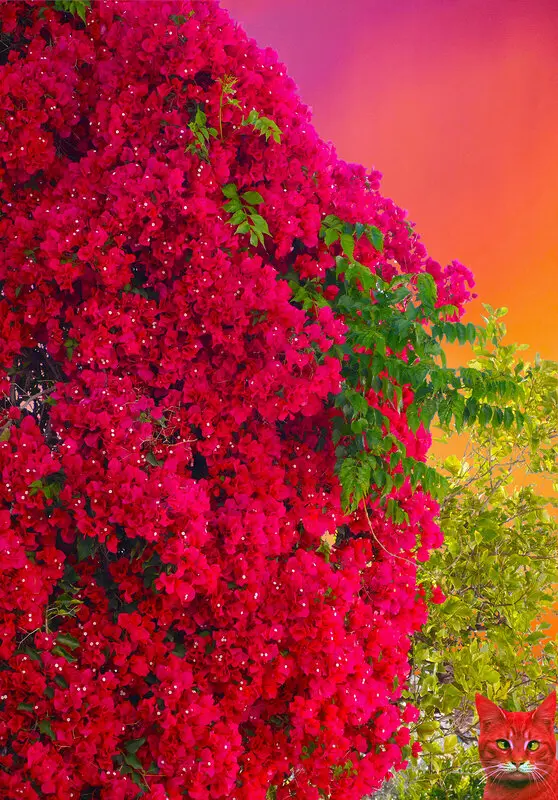
Jörgen Thornberg
Cross-eyed Knut, 2018
Digital
50 x 70 cm
How could one name a cat Knut? The blame lay with a Swedish family who adopted her, for she was indeed a she despite the name. The reason was that she was cross-eyed, and Knut, one of the children's classmates, had been cross-eyed as a child and was called Ballögde Knut (Cross-Eyed Knut). He was later treated for his condition and looked completely normal now. Despite this, he retained his nickname.
Knut itself is OK and a man's name with Old Norse roots. It is related to the modern word' knot,' implying one who ties bonds between people. The name has appeared as a royal name in Sweden and Denmark, so why not for a cat? The name is derived from the Old Norse Knútr, meaning 'knot', and the anglicised form is 'Canute,' but the word 'knot' means the same. King Canute the Great, also known as Cnut, was a significant historical figure, ruling over England from 1016 to 1035. He was a wise and just ruler known for his ability to command the tides. Many historians call him 'the most effective king in Anglo-Saxon history.' Knut loved hearing the story about him.
Knut, or Alicia as she preferred to be called, had been cross-eyed since birth. Cats neither undergo surgery nor wear glasses, so her cross-eyed condition remained. Despite this, Knut was terrible at catching mice and often ran into walls due to her vision problem. However, she looked adorable and had the deepest red colour of all the Tabbies on Hydra, so she got as much food as she wanted. When the Swedish family wasn't in their house in Kiafa, the neighbour ensured she was fed. She was left alone by other cats because of her vision problem. Instead of precisely scratching an attacker, she developed a technique with sweeping swipes using outspread claws. Typically, cats don't fight this way, but her method was so effective that she was left alone.
On a typical evening, Knut would blend into her surroundings, hidden by her favourite bush, a bougainvillaea as red as she was. The bright red sky mirrored the vibrant hue of her fur, making her almost invisible unless she chose to step out of her bush, as she did in the picture. It was a sight to behold, a testament to her unique beauty and ability to disappear into the world around her.
For Knut, the real treat was the whisky I had in a small flask. How she developed a taste for Johnnie Walker Black Label has various versions. While her Swedish owner was known as a whisky connoisseur, it's hard to believe he would share his favourite whisky with a cat. It's a bit too expensive for that. His wife's version is more believable. The man would carelessly leave his glass behind now and then while he fixed something else. He probably didn't notice the level in the glass had dropped when he returned. In any case, Knut developed a taste for the precious drops, and rumours about the cat's sensitive taste buds spread. Since a cat is not a dog, she drinks only what tastes good, not to get drunk. Hence the explanation for the term' drunk as a skunk.' You never hear 'drunk as a cat.' Sure, Knut got a bit happy and her fur shinier when we had toasted for a while. A small glass of whisky doesn't affect me, but the equivalent amount for a small cat makes the world spin even more for a cross-eyed cat.
Knut had a quirky side. She loved limericks, especially those about tabbies. This time, she had gotten a new one that she couldn't help but share, adding a touch of whimsy to her already endearing personality.
There once was a tabby named Maria from Maine,
Who meowed to the moonlight again and again,
With paws soft as silk,
She spilled all the milk,
And wished for some whisky at Hilton Park Lane.
After we emptied our glasses, Knut disappeared into her red bush. Otherwise, red cats are hard to miss. Also called ginger, orange, tabby, marmalade, tiger-cat and cinnamon yellow, butter, caramel, or butterscotch to fill the list. This distinctive feline can undoubtedly strike a charismatic pose and is always tabby in pattern. Red cats are not their own breed, and you can find them in many cat breeds and moggies - cats with no pedigree. From 9Lives Morris to Garfield to Puss in Boots, ginger cats are some of the most celebrated felines in television and film, so Knut was a proud cat and a deeply red one.
Furthermore, she was often invisible to her surroundings, hidden by her favourite bush, a bougainvillaea as red as she was. On an evening like this, with a bright red sky, there was no chance of spotting Knut unless she stepped out of her bush, as in the picture.
One might think the reason was that I had her favourite with me, a can of King Gustav Sardines in Tomato from the Royal court supplier of fine lightly smoked sprats from the Northeast. These Sprattus sprattus had travelled with me from Sweden. They couldn't be found in Greece. I opened the can at home and transferred the delicacies into a small plastic container so the enticing scent could reach her halfway down the road. She sat on her haunches, waiting when I rounded the corner from Vlychos Road. I have the impression that Knut's cross-eyed vision creates a double vision, making me appear twice as lovely and the fish last twice as long. We understand each other, Knut and I.
While many believe cats meow to communicate with their feline friends, Knut communicated differently with humans, especially with me. She purred, mainly after I served her favourite sardines, a sign of her contentment and affection. This unique bond we shared, where our communication went beyond the usual feline ways, was a testament to the depth of our connection.
For Knut knew that the excellent stuff was coming. The whisky I had with me in a small flask. How she acquired a taste for Johnnie Walker Black Label has various versions. Even though I know her Swedish owner as a whisky connoisseur, I find it hard to believe he would share his favourite whisky with a cat. It's a bit too expensive for that. His wife's version is more believable. The man would carelessly leave his glass behind now and then while he fixed something else. He probably didn't notice the level in the glass had dropped when he returned. In any case, Knut developed a taste for the precious drops, and rumours about the cat's sensitive taste buds spread. Since a cat is not a skunk, she drinks only what tastes good, not to get drunk. Hence the explanation for the term' drunk as a skunk.' You never hear 'drunk as a cat.'
Sure, Knut got a bit happy, and her fur became shinier when we had toasted for a while. A small glass of whisky doesn't affect me, but the equivalent amount for a small cat makes the world spin even more for a cross-eyed cat. She loved limericks, especially those about tabbies. This time, she had gotten a new one that she loved.
There once was a tabby named Maria from Maine,
Who meowed to the moonlight again and again,
With paws soft as silk,
She spilled all the milk,
And wished for some whisky at Hilton Park Lane.
Today's topic was James Bond and why Ernst Stavro Blofeld made the mistake of getting a white cat. It was a fatal decision. This villain and criminal mastermind was ultimately defeated by Agent 007. According to Knut, the explanation could only be the white cat. If the author Ian Fleming had placed a red tabby in the villain's lap, he would have had to rewrite the ending. Evil wouldn't have won, but the cat would have taken over, and James would have become her obedient servant, just like in real life. We do everything for our tabbies, spoiling them even with expensive whisky.
After we emptied our glasses, Knut disappeared into her red bush. Otherwise, red cats are hard to miss. Also called ginger, orange, tabby, marmalade, tiger-cat and cinnamon yellow, butter, caramel, or butterscotch to fill the list. This distinctive feline can undoubtedly strike a charismatic pose and is always tabby in pattern. Red cats are not their own breed, and you can find them in many cat breeds and moggies - cats with no pedigree. From 9Lives Morris to Garfield to Puss in Boots, ginger cats are some of the most celebrated felines in television and film, so Knut was a proud cat and a deeply red one.
Knut has shared the captivating world of cats, from their ancient Egyptian origins to the modern-day charm of Tabbies on Hydra. Cats have long held a special place in the human imagination with their graceful movements, enigmatic personalities, and undeniable charm. They've been worshipped, adored, and sometimes feared throughout history. Join us on a fascinating journey through the history of our feline friends, from their revered status in ancient Egypt to the unique traits of modern tabbies.
Ancient Egypt: The Golden Age of Cats
In ancient Egypt, cats were more than just pets; they were deities. The Egyptians revered cats and associated them with the goddess Bastet, who embodied home, fertility, and protection. Bastet was often depicted as a lioness or a woman with the head of a lioness or domestic cat. Cats were considered sacred, and harming one was punishable by death. They were so highly regarded that when a cat died, the entire household would go into mourning, shaving their eyebrows as a sign of respect.
The reverence for cats went beyond their divine associations. They were also practical protectors of grain stores, keeping rodents at bay. This utility further solidified their status within Egyptian society.
Archaeological digs have uncovered thousands of mummified cats, lovingly embalmed and entombed alongside their human counterparts. These feline mummies were often adorned with jewellery and amulets, signifying their importance and the belief that they would continue to serve their owners in the afterlife.
Cats on Hydra, the High Seas' Guardians, were the captain's most trusted companions. As maritime trade expanded, cats became indispensable crew members on ships. Known as ship's cats, these seafaring felines were valued for their intelligence and ability to control the rodent population aboard. This protected food supplies and prevented the spread of diseases, a testament to their usefulness and adaptability.
One famous ship's cat was Simon, who served on the HMS Amethyst during the Chinese Civil War. Simon earned the "Dickin Medal," the animal equivalent of the Victoria Cross, for his efforts in catching rats and maintaining morale among the crew during a crisis.
The polydactyl (many-toed) cats were particularly prized among these seafaring cats. Sailors believed these extra-toed cats were better climbers and hunters, making them even more effective at their vermin-catching duties. The most famous population of polydactyl cats resides at the Ernest Hemingway Home in Key West, Florida, where descendants of Hemingway's six-toed cat still roam. Unfortunately, none of these remain, as they are an extinct species on Hydra.
The Independent Spirit of Cats
One of the most endearing and frustrating aspects of cats is their independence. Unlike dogs, who are often eager to please, cats maintain a certain aloofness and autonomy. This has led to the famous saying, "Dogs have owners, cats have staff."
One of the most intriguing aspects of cats is their independence. Unlike dogs, who are often eager to please, cats maintain a certain aloofness and autonomy. This independent streak is likely rooted in their history. While dogs were domesticated thousands of years ago to work alongside humans, cats essentially domesticated themselves. Wild cats were drawn to human settlements by the abundance of food (i.e., rodents), and over time, they adapted to a life close to humans without losing their independent nature. This unique trait is something to be respected and appreciated.
Cats are known for their mysterious behaviour and seemingly contradictory actions. They may ignore you all day only to demand attention at inconvenient times. They can be aloof, affectionate, lazy, and hyperactive within a few minutes. This unpredictability is part of their charm and why they've captured the hearts of so many.
The Wonderful World of Tabbies
No discussion of cats would be complete without a deep dive into the world of tabbies. Tabbies are not a breed but a coat pattern characterised by distinctive stripes, dots, lines, or swirling patterns, often with an "M" shape on their foreheads. This pattern is ancient and is thought to have originated from the wildcat ancestors of domestic cats. Tabbies are known for their playful and affectionate nature, making them popular pets. There are many tabbies on Hydra, but none as red as Knut.
Tabbies come in several different patterns:
Classic Tabby: Also known as "blotched tabby," these cats have bold, swirling patterns along their sides, resembling a marble cake.
Mackerel Tabby: This is the most common pattern, with narrow stripes running parallel down the sides like a fishbone.
Spotted Tabby: Instead of stripes, these cats have varying-sized spots over their bodies.
Ticked Tabby: These cats lack distinct stripes or spots. Instead, they have a "salt-and-pepper" or "sand" appearance due to the agouti hairs (each hair is banded with multiple colours).
The genetics behind tabby patterns are fascinating. The Agouti gene controls the tabby pattern, affecting pigment distribution in individual hairs. Different mutations of this gene lead to various tabby patterns. In simpler terms, it's like a painter using different brushes to create different patterns on a canvas.
Tabbies are often celebrated in popular culture. From Morris the 9Lives cat to the lasagna-loving Garfield, tabbies have a special place in our hearts. Their distinctive markings and expressive eyes make them instantly recognisable and beloved. One famous tabby, Tama, even served as a stationmaster at a train station in Japan, attracting tourists worldwide.
A Day in the Life of a Tabby
Imagine a day in the life of a tabby cat like Knut. Waking up from a luxurious nap in a sunbeam, stretching each limb with the grace of a ballerina, and then strolling over to demand breakfast. After a hearty meal, it's time for playful mischief. Whether batting at a toy mouse, chasing a laser pointer, or simply pouncing on a dust bunny, tabby cats bring joy and laughter to their human companions.
As the day progresses, the tabby might find a cosy spot on a windowsill to watch the world go by, occasionally chattering at birds outside or, like Knut, disappearing into one's favourite bush. Another nap follows this, perhaps curled up in a favourite chair or sprawled across a keyboard while their human slave tries to work.
In the evening, the tabby becomes more active, engaging in a spirited game of chase or hide-and-seek. As night falls, the tabby cat settles in for one final nap, often at the foot of the bed, providing warmth and companionship to their human.
From their divine status in ancient Egypt to their indispensable role on ships and their independent spirit to the delightful variety of tabby patterns, cats have woven themselves into the fabric of human life in myriad ways. They are our companions, muses, and sometimes our mischievous little troublemakers. Whether you're a cat lover or just a curious observer, there's no denying the feline world's unique charm and endless fascination. So next time you see a tabby curled up in a sunbeam or a polydactyl cat stretching its many toes, take a moment to appreciate these beautiful creatures' rich history and incredible diversity.

Jörgen Thornberg
Malmö
Lite om bilder och mig. Translation in English at the end.
Jag är en nyfiken person som ser allt i bilder, även det jag fäster i ord, gärna tillsammans för bakom alla mina bilder finns en berättelse. Till vissa bilder hör en kortare eller längre novell som följer med bilden.
Bilder berättar historier. Jag omges av naturlig skönhet, intressanta människor och historia var jag än går. Jag använder min kamera för att dokumentera världen och blanda det jag ser med vad jag känner för att fånga den dolda magin.
Mina bilder berättar mina historier. Genom mina bilder, tryck och berättelser. Jag bjuder in dig att ta del av dessa berättelser, in i ditt liv och hem och dela min mycket personliga syn på vår värld. Mer än vad ögat ser. Jag tänker i bilder, drömmer och skriver och pratar om dem; följaktligen måste jag också skapa bilder. De blir vad jag ser, inte nödvändigtvis begränsade till verkligheten. Det finns en bild runt varje hörn. Jag hoppas att du kommer att se vad jag såg och gilla det.
Jag är också en skrivande person och till många bilder hör en kortare eller längre essay. Den följer med tavlan, tryckt på fint papper och med en personlig hälsning från mig.
Flertalet bilder startar sin resa i min kamera. Enkelt förklarat beskriver jag bilden jag ser i mitt inre, upplevd eller fantiserad. Bilden uppstår inom mig redan innan jag fått okularet till ögat. På bråkdelen av ett ögonblick ser jag vad jag vill ha och vad som kan göras med bilden. Här skall jag stoppa in en giraff, stålmannen, Titanic eller vad det är min fantasi finner ut. Ännu märkligare är att jag kommer ihåg minnesbilden långt efteråt när det blir tid att skapa verket. Om jag lyckas eller inte, är upp till betraktaren, oftast präglat av en stråk av svart humor – meningen är att man skall bli underhållen. Mina bilder blir ofta en snackis där de hänger.
Jag föredrar bilder som förmedlar ett budskap i flera lager. Vid första anblicken fylld av feel-good, en vacker utsikt, fint väder, solen skiner, blommor på ängen eller vattnet som ligger förrädiskt spegelblankt. I en sådan bild kan jag gömma min egentliga berättelse, mitt förakt för förtryckare och våldsverkare, rasister och fördomsfulla människor - ett gärna återkommande motiv mer eller mindre dolt i det vackra motivet. Jag försöker förena dem i ett gemensamt narrativ.
Bild och formgivning har löpt som en röd tråd genom livet. Fotokonst känns som en värdig final som jag gärna delar med mig.
Min genre är vid som framgår av mina bilder, temat en blandning av pop- och gatukonst i kollage som kan bestå av hundratals lager. Vissa bilder kan ta veckor, andra någon dag innan det är dags att överlämna resultatet till printverkstaden. Fine Art Prints är digitala fotocollage. I dessa kollage sker rivandet, klippandet, pusslandet, målandet, ritandet och sprayningen digitalt. Det jag monterar in kan vara hundratals år gamla bilder som jag omsorgsfullt frilägger så att de ser ut att vara en del av tavlan men också bilder skapade av mig själv efter min egen fantasi. Därefter besöks printstudion och för vissa bilder numrera en limiterad upplaga (oftast 7 exemplar) och signera för hand. Vissa bilder kan köpas i olika format. Det är bara att fråga efter vilka. Gillar man en bild som är 70x100 men inte har plats på väggen, går den kanske att få i 50x70 cm istället. Frågan är fri.
Metoden Giclée eller Fine Art Print som det också kallas är det moderna sättet för framställning av grafisk konst. Villkoret för denna typ av utskrifter är att en högkvalitativ storformatskrivare används med åldersbeständigt färgpigment och konstnärspapper eller i förekommande fall på duk. Pappret som används möter de krav på livslängd som ställs av museer och gallerier. Normalt säljer jag mina bilder oinramade så att den nya ägaren själv kan bestämma hur de skall se ut, med eller utan passepartout färg på ram, med eller utan glas etc..
Under många år ställde jag bara ut på nätet, i valda grupper och på min egen Facebooksida - https://www.facebook.com/jorgen.thornberg.9
Jag finns också på en egen hemsida som tyvärr inte alltid är uppdaterad – https://www.jth.life/ Där kan du också läsa en del av de berättelser som följer med bilden.
UTSTÄLLNINGAR
Luftkastellet, oktober 2022
Konst i Lund, november 2022
Luftkastellet, mars 2023
Engleson Galleri Caroli, april 2023
Hydra, Greece June 2023
Engleson Galleri Caroli, oktober 2023
Toppen, Höllviken december 2023
Luftkastellet, mars 2024
Torups Galleri, mars 2024
Venice, May 2024
Luftkastellet, oktober 2024
Konst i Advent, December 2024
Galleri Engleson, Caroli December 2024
Jäger & Jansson Galleri, april 2025
A bit about pictures and me.
I'm a curious person who sees everything in pictures, even what I express in words, often combining them, for behind all my pictures lies a story. These narratives, some as short as a single image and others as long as a novel, are the heart and soul of my work.
Pictures tell stories. Wherever I go, I'm surrounded by natural beauty, exciting people, and history. I use my camera to document the world and blend what I see with what I feel to capture the hidden magic.
My images tell my stories. Through my pictures, prints, and narratives, I invite you to partake in these stories in your life and home and share my deeply personal perspective of our world. More than meets the eye. I think in pictures, dream, write, and talk about them; consequently, I must create images too. They become what I see, not necessarily confined to reality. There's a picture around every corner. I hope you'll see what I saw and enjoy it.
I'm also a writer, and many images come with a shorter or longer essay. It accompanies the painting, printed on fine paper with my personal greeting.
Many pictures start their journey on my camera. Simply put, I describe the image I see in my mind, experienced or imagined. The image arises within me even before I bring the eyepiece to my eye. In a fraction of a moment, I see what I want and what can be done with the picture. Here, I'll insert a giraffe, Superman, the Titanic, or whatever my imagination conjures up. Even stranger is that I remember the mental image long after it's time to create the work. Whether I succeed is up to the observer, often imbued with a streak of black humour – the aim is to entertain. My pictures usually become a talking point wherever they hang.
I prefer pictures that convey a message in multiple layers. At first glance, they're filled with feel-good vibes, a beautiful view, lovely weather, the sun shining, flowers in the meadow, or the water lying deceptively calm. But beneath this surface beauty, I often conceal a deeper story, a narrative that challenges societal norms or explores the human condition. I invite you to delve into these hidden narratives and discover the layers of meaning within my work.
Picture and design have been a thread running through my life. Photographic art feels like a fitting finale, and I'm happy to share it.
My genre is varied, as seen in my pictures; the theme is a blend of pop and street art in collages that can consist of hundreds of layers. Some images can take weeks, others just a day before it's time to hand over the result to the print workshop. Fine Art Prints are digital photo collages. In these collages, tearing, cutting, puzzling, painting, drawing, and spraying happen digitally. What I insert can be images hundreds of years old that I carefully extract so they appear to be part of the painting, but also images created by myself, now also generated from my imagination. Next, visit the print studio and, for certain images, number a limited edition (usually 7 copies) and sign them by hand. Some images may be available in other formats. Just ask which ones. If you like an image that's 70x100 but doesn't have space on the wall, you might be able to get it in 50x70 cm instead. The question is open.
The Giclée method, or Fine Art Print as it's also called, is the modern way of producing graphic art. This method ensures the highest quality and longevity of the artwork, using a high-quality large-format printer with archival pigment inks and artist paper or, in some cases, canvas. The paper used meets the longevity requirements set by museums and galleries. I sell my pictures unframed, allowing the new owner to personalise their artwork, confident in the lasting value and quality of the piece.
For many years, I only exhibited online, in selected groups, and on my Facebook page - https://www.facebook.com/jorgen.thornberg.9. I also have my website, which unfortunately is not constantly updated - https://www.jth.life/. You can also read some of the stories accompanying the pictures there.
EXHIBITIONS
Luftkastellet, October 2022
Art in Lund, November 2022
Luftkastellet, March 2023
Engleson Gallery Caroli, April 2023
Hydra, Greece June 2023
Engleson Gallery Caroli, October 2023
Toppen, Höllviken December 2023
Luftkastellet, March 2024
Torup Gallery, March 2024
Venice, May 2024
UTSTÄLLNINGAR
Luftkastellet, oktober 2022
Konst i Lund, november 2022
Luftkastellet, mars 2023
Engleson Galleri Caroli, april 2023
Hydra, Greece June 2023
Engleson Galleri Caroli, oktober 2023
Toppen, Höllviken december 2023
Luftkastellet, mars 2024
Torups Galleri, mars 2024
Venice, May 2024
Luftkastellet, October 2024
Konst i Advent, December 2024
Galleri Engleson, Caroli December 2024
Jäger & Jansson Galleri, April 2025
Utbildning
Autodidakt
Medlem i konstnärsförening
Öppna Sinnen
Med i konstrunda
Konstrundan i Skåne
Utställningar
Luftkastellet, October 2022
Art in Lund, November 2022
Luftkastellet, March 2023
Engleson Gallery Caroli, April 2023
Hydra, Greece June 2023
Engleson Gallery Caroli, October 2023
Toppen, Höllviken December 2023
Luftkastellet, March 2024
Torup Gallery, March 2024
Venice, May 2024